
Our services
Flexible support for different lives and different needs.
Support can range from a few hours for specific activities to more intensive arrangements. Services are planned around assessed need, agreed supports, safety and the person’s own preferences.


Personal Assistant service
Support that enables the person to direct their own life
The PA Service supports adults with physical and sensory disabilities. Personal Assistants work in accordance with the person's individual needs, preferences and goals.
Support may include personal care, household tasks, shopping, appointments, education, employment, social participation, recreation and community engagement. The role is to enable the person - not take over.


Home Support
Practical support in the home and community
Home Support services help people maintain independence, wellbeing and quality of life while remaining in their own homes and communities.
WLIL supports people with a range of needs, including people with intellectual disabilities and autism. Supports may include daily living activities, household support, community participation and other agreed person-centred assistance.
Accessible passenger transport
Helping reduce transport barriers and isolation
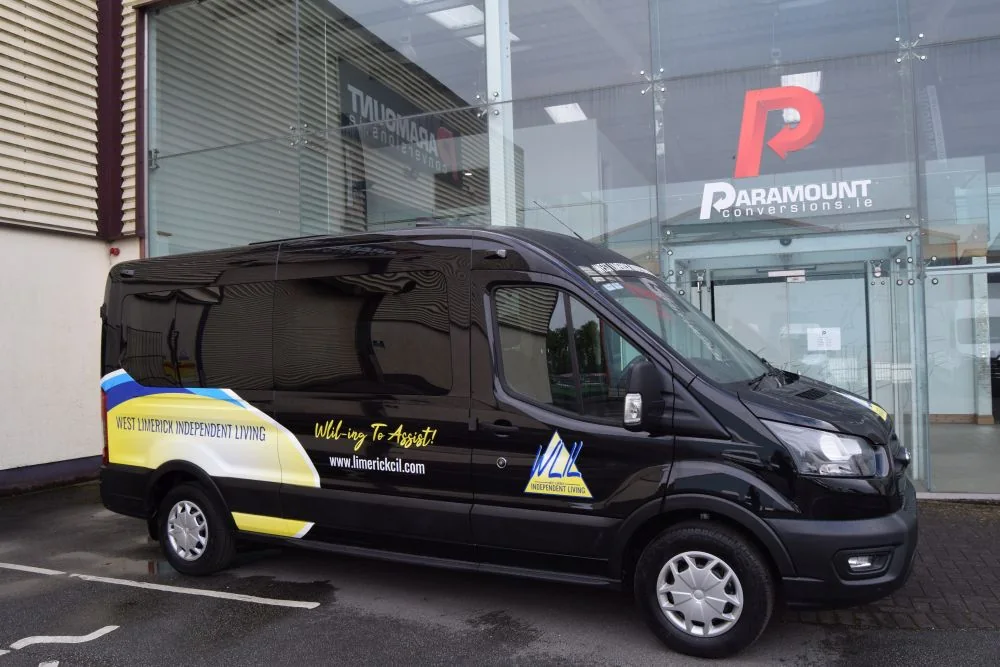
WLIL operates a limited accessible passenger transport service. It can support access to day services, healthcare appointments, training, community activities and social opportunities, particularly where accessible transport choices are limited.
Transport is subject to service arrangements, capacity and availability.
Accessing a service
How a service starts
Access is primarily through referral by the Health Service Executive (HSE). WLIL assesses and plans the service; the HSE remains responsible for funding allocations, approvals, prioritisation and waiting lists.
Some approved services can take longer to commence where suitable staff are not immediately available, particularly in rural areas or where specialised skills or availability are required.
Quality & safety
Support changes when needs change
WLIL reviews care plans, risk assessments, staffing arrangements and service capacity. Where needs become more complex or change over time, the Coordinator may arrange additional assessment, multidisciplinary input, equipment review or specialist staff training.
Services are reviewed through routine contact, annual review and additional review where circumstances change.